
Ancient Sundials
Sundials told time by casting a shadow across a flat surface as the sun moved. The position of the shadow changed continuously throughout the day, without jumping between set values. There weren’t two or even ten fixed states. The dials were a smooth, constant shift. Because of that, sundials are a great example of analog technology.

The Jacquard Loom
This was an early but innovative machine that used punched cards to control how fabric was woven. Each hole on the card meant either lift the thread or don’t. It only had two possible states for each thread: yes or no. That’s what makes it digital, even though it was invented way before computers.

Morse Code
Morse code is just a system of dots and dashes. There are only two options for each signal, which gives it a clear on-or-off structure. Since there’s no in-between, it counts as one of the first digital communication systems.
Vinyl Records
Vinyl records store music by carving continuous grooves into the surface. When you play the record, the needle follows the shape of those grooves. The sound changes smoothly, not in steps, so there are no clear states. That makes vinyl a classic example of analog.
Smartphones
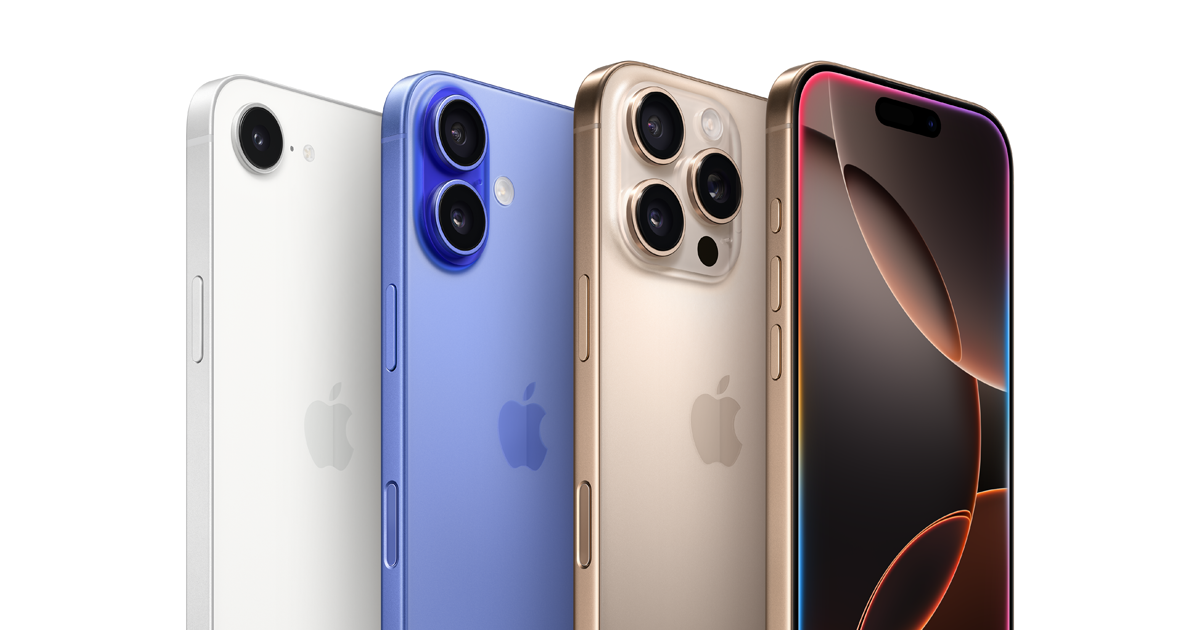
Everything on your phone including: photos, videos, messages, and apps are made up of 0s and 1s. That’s just two states for everything. Your entire phone works by flipping tiny switches between those two options over and over again, which is what makes it fully digital.