
What is Digitization
When we think of digitization, we’re really thinking about how things from the real world, like words on a page or sounds we hear, get turned into something a computer can store and understand. This process shows up in more places than most people realize, and while it might sound complicated, it can be pretty simple.
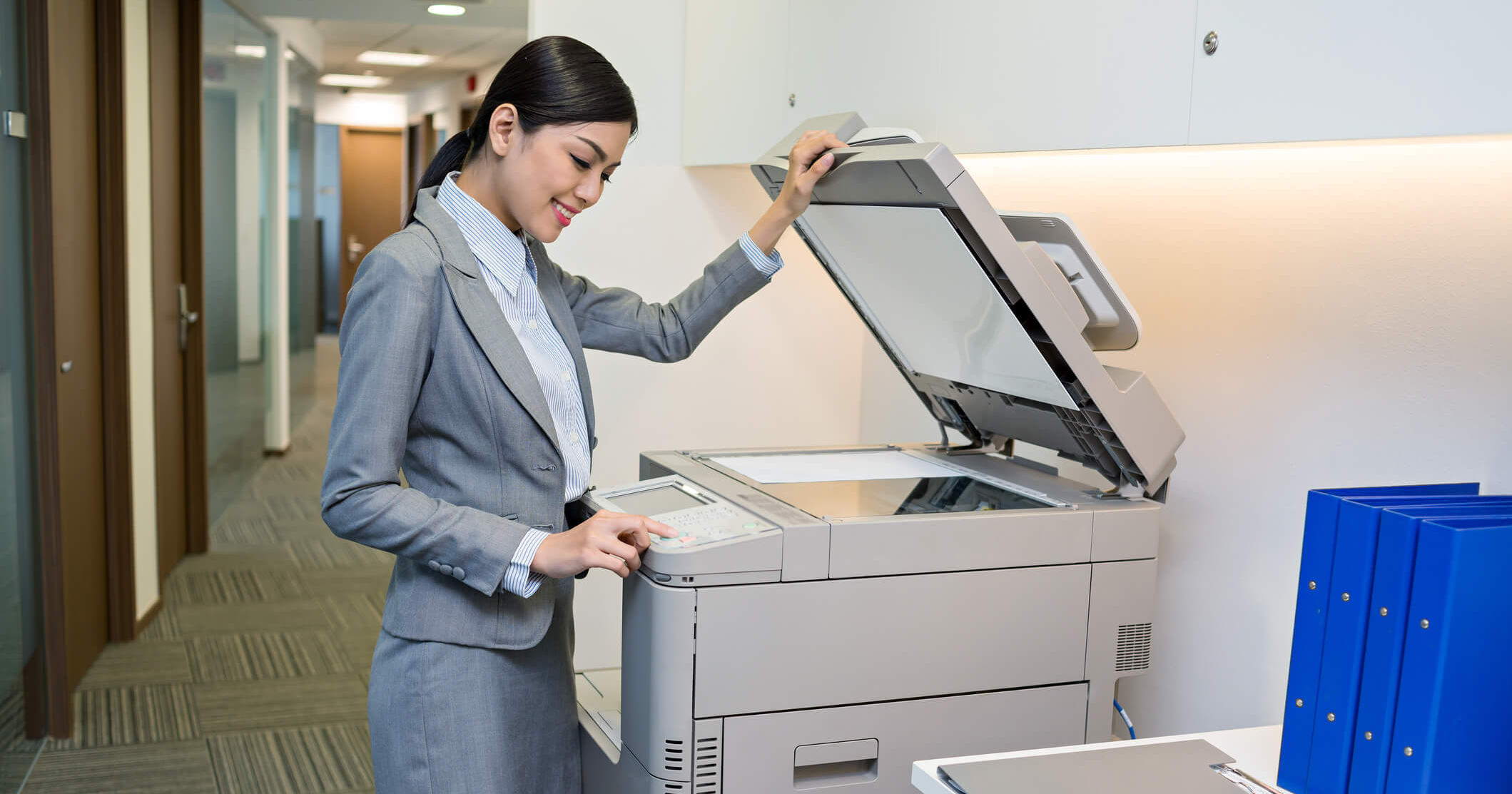
Starting with text, a written text can be converted to text on a computer very fast and very easily today. A hand written note must first be scanned. Today you can simply take a picture of the note and put it through a software such as adobe to get the scan but before smartphones people had things like copy machines which could scan a document and print out copies. This scan is then put through a program called Optical Character Recognition (OCR) which attempts to recognize the characters and link them with the alphabet or number.
The main issue with this is that OCR will not always get it right. While a human can use context clues to figure out what is written, OCR might mistake messy handwriting and produce an incorrect product. Overall though, OCR is a very helpful technology that is used widely throughout almost any company that has need of physical documentation.
Next, Sound can also be converted to a digital format. However, Sound is a little more complicated. It’s naturally analog, which means it’s a smooth, continuous wave. Computers don’t understand that, so they “sample” the wave takes lots of tiny measurements really fast and turns them into a number. The more samples, the clearer the sound will be, but the file will be bigger. This whole process can be done using an ADC (Audio Digital Converter)
Often, people will say that using a record player is the best way to experience music. Personally, I disagree Having grown up with digital music, I think they sound very similar, and the ease of using something like Spotify or YouTube to listen to any song at the push of a button is far superior to buying physical records.